Wandsworth Council Bulky Waste Rules and Southfields Removals: A Practical Local Guide
If you are planning a move, a clear-out, or a furniture uplift in Southfields, the small print around Wandsworth Council bulky waste rules can save you a lot of stress. One wrong assumption about collection dates, accepted items, or skip access can turn a tidy move into a messy weekend. And let's face it, when you are already juggling keys, packing tape, and narrow staircases, the last thing you want is a pile of unwanted furniture blocking the hallway.
This guide explains how bulky waste handling fits into Southfields removals, when council collection makes sense, when a private removal service is the better fit, and how to avoid common mistakes. You will also find a step-by-step plan, a comparison table, and a realistic checklist you can use before moving day.
Expert summary: The best approach is usually to separate your items early, check what can be reused or recycled, and decide whether the council route or a man and van service is quicker, cheaper, and less hassle for your specific situation. A little planning goes a long way.
Why Wandsworth Council bulky waste rules and Southfields removals Matters
Bulky waste rules matter because removals are rarely just about moving things from one address to another. In Southfields, many people are dealing with flats, shared entrances, controlled parking, and furniture that simply will not fit in a standard bin collection. A sofa that is too worn to keep, a mattress that has had its day, or a fridge that needs careful handling all create decisions you need to make before the van arrives.
If you ignore the process, the result can be delays, extra lifting, clutter in common areas, or items left outside for too long. That is not ideal for neighbours, building managers, or your own moving timetable. It is also why many people start with decluttering well before the move. If that is where you are right now, the guide to decluttering for a stress-free house move is a sensible place to begin.
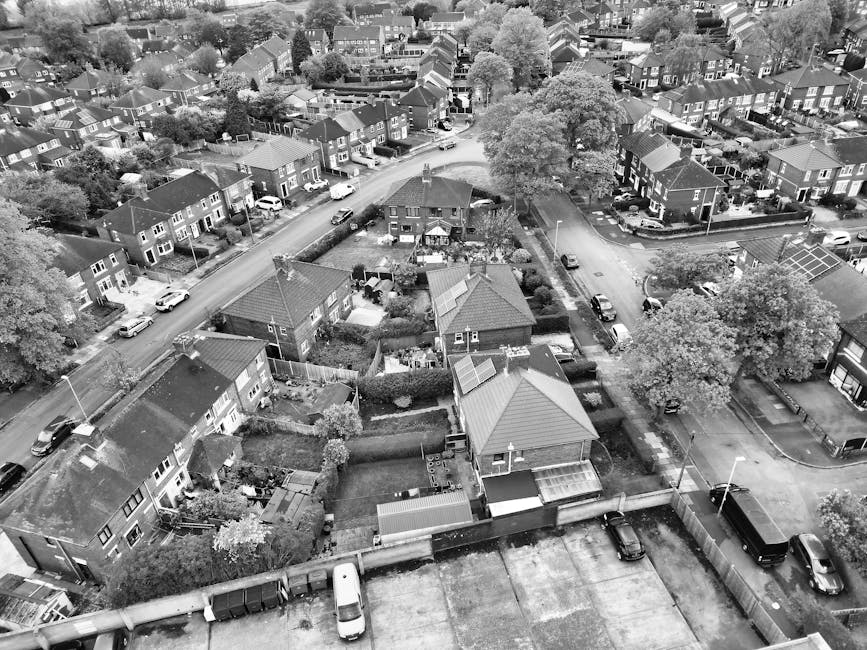
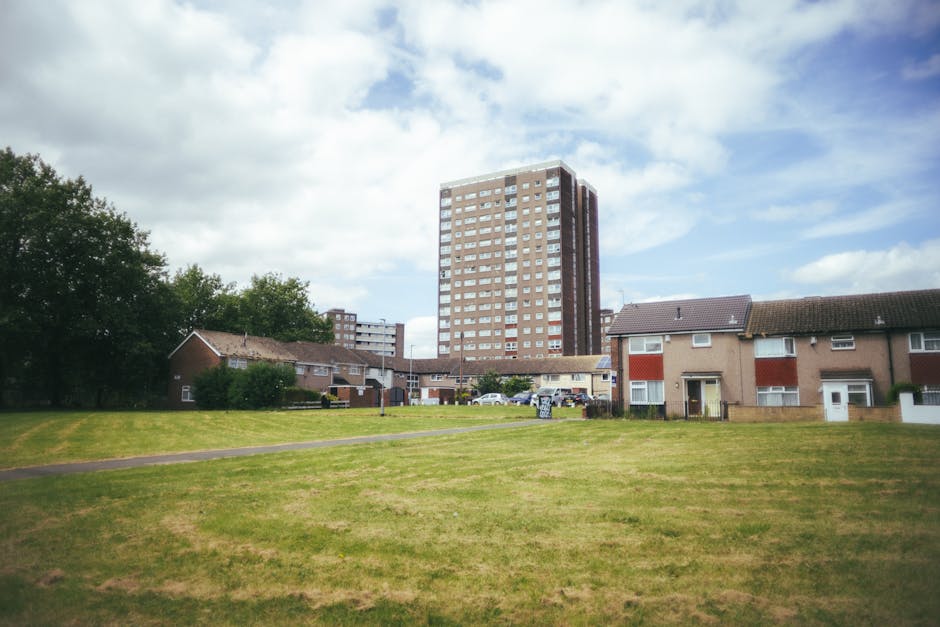
There is a local angle here too. Southfields has the usual London mix of busy pavements, tight access points, and properties where bulky items can be awkward to carry. A bulky waste plan helps you avoid last-minute panic, especially if you are coordinating a move with cleaning, storage, or a same-day collection. That mix is common, more common than people expect.
To be fair, bulky waste planning is often the part people leave until the end. Then the clock starts ticking. That is when problems creep in.
How Wandsworth Council bulky waste rules and Southfields removals Works
The basic idea is simple: if an item is too large for normal refuse collections, it needs a separate route. That route may involve council bulky waste collection, reuse, recycling, private removal, or a combination of these. The right choice depends on the item type, how quickly it needs to go, and how easy it is to move from your property.
In practical terms, you will usually work through four questions:
- Is the item reusable, repairable, recyclable, or truly waste?
- Can the council take it under its bulky waste rules?
- Do you have enough time to wait for a collection slot?
- Would a removal team be more efficient because the item is linked to the move itself?
That fourth question matters more than people think. If a wardrobe, sofa, or bed frame has to be removed on the same day as your house move, a private service is often easier because the lifting, loading, and timing are all handled together. For those working through a packed move day, the services overview is useful for seeing how different removal options fit together.
There is also the packaging side of things. Some items are fine once wrapped, padded, or boxed; others are too bulky to handle without help. If you want a calm, orderly process rather than a frantic one, it helps to package your items and wait for the collection team rather than trying to improvise on the day.
In Southfields, access is often the deciding factor. A ground-floor flat with easy street loading is one thing. A top-floor flat with narrow stairs is another matter entirely. If that sounds familiar, you may also find the article on Southfields village flat removals for narrow staircases surprisingly relevant.
Key Benefits and Practical Advantages
When the process is handled properly, the benefits are immediate. You save time, reduce clutter, and cut the risk of moving things you do not actually want. That alone can make a move feel lighter. Literally lighter, in some cases.
- Less clutter on moving day: You are only taking what you want to keep.
- Lower lifting risk: Fewer heavy items means less strain on you and fewer handling issues.
- Cleaner handover: Emptying a property is easier when bulky waste is planned in advance.
- Better recycling outcomes: Reusable items are more likely to be separated instead of rushed into disposal.
- More accurate removal planning: A lighter load can mean a smaller van requirement or a quicker job.
That last point often gets overlooked. If you remove three large items from the load list before booking, the whole move can become simpler. For example, a bed, mattress, and old chest of drawers may look like a minor detail, but together they change how much space you need, how long loading takes, and how many hands are required.
If you are moving furniture specifically, it is worth reading about furniture removals in Southfields so you can match the right support to the right item.
Who This Is For and When It Makes Sense
This topic is relevant to a lot of people, not just homeowners. In Southfields, bulky waste decisions come up for tenants, landlords, students, families, small businesses, and anyone downsizing after years in one place. It also matters if you are between homes and using storage, because you may not want to pay twice to move things that no longer earn their keep.
It makes sense to think about bulky waste rules when you are:
- preparing for a house or flat move
- clearing out a garden room, loft, or spare bedroom
- replacing furniture and white goods
- ending a tenancy and needing a clean exit
- handling a same-day relocation with old items to remove
- sorting office furniture or equipment during a business move
Students in particular tend to underestimate how much they accumulate in a year. One shelf of books, a desk chair, a broken lamp, a spare mattress topper... and suddenly the flat feels like it has grown an extra room of clutter. For that sort of move, student removals in Southfields can be a smart way to bundle small loads and leftover bulky bits together.
And if the move is happening fast, there is no shame in keeping it simple. Honestly, sometimes the calmest plan is the one with fewer moving parts.
Step-by-Step Guidance
Here is a practical sequence you can follow. Nothing fancy. Just a clean, sensible process that prevents last-minute chaos.
- Walk through every room. Make a note of bulky items, broken items, and things you no longer want.
- Sort by destination. Divide items into keep, donate, recycle, council collection, or removal service.
- Check condition. If something can be reused, that is usually the better route than disposal.
- Measure large items. Check doorways, stair bends, and hallway turns before moving anything heavy.
- Decide on timing. If items must be gone before handover, book early enough to avoid overlap.
- Choose the right removal method. Council collection suits some jobs; a removal team suits others.
- Prepare access. Keep routes clear, protect floors if needed, and remove hazards.
- Label clearly. Anything staying, going, or going to storage should be obvious at a glance.
- Confirm disposal responsibility. If you are using a third party, make sure you know who is handling what.
If you are moving a bed, mattress, or frame, it helps to break the job down properly. The article on moving a bed and mattress gives a good sense of how much easier the task becomes when you prepare the parts separately.
For larger household moves, pack room by room rather than in random piles. This sounds obvious, but many people skip it and regret it. The practical tips in packing for your big move are worth using alongside any bulky waste plan.
Expert Tips for Better Results
After many moves, one pattern becomes clear: people save time by deciding early, not by rushing later. That is the whole game. Early sorting means fewer surprises, especially when bulky items are involved.
Here are a few tips that genuinely help:
- Separate bulky waste from moving stock immediately. Do not leave it mixed with everything else.
- Use one staging area. A hallway corner or cleared room helps everyone see what is going where.
- Think in layers. A fridge may be one item, but moving it safely can affect the whole route and schedule.
- Take photos of awkward items. This helps when discussing access or getting a quote.
- Keep fragile and heavy items apart. Mixing them invites damage, and nobody wants that.
- Plan your disposal before cleaning day. Otherwise you can end up cleaning around objects that should already be gone.
If your bulky items include storage-sensitive pieces, like a freezer that is not in use or a sofa you want to preserve, the preparation matters more than people think. You might find how to store a freezer that is not in use useful for that kind of planning, and sofa storage tips can help if you are using temporary storage between addresses.
One tiny but important tip: check the weather if you are leaving items outside while awaiting collection. A damp sofa or mattress is a headache you do not need. A bit of rain and a bit of delay, and suddenly the whole job feels twice as large.
Common Mistakes to Avoid
Most bulky waste problems are avoidable. That is the annoying part. People usually only run into trouble because they assumed a collection would be simpler than it was.
- Leaving bulky items to the last day: This is the fastest way to miss a collection or slow the move.
- Not checking access: Tight staircases, narrow doorways, and parked cars can derail the plan.
- Mixing waste with reusable items: Once everything is piled together, good items can be thrown away by mistake.
- Ignoring safety: Heavy lifting without the right technique is how backs get strained.
- Booking without reading the quote properly: Hidden extras are frustrating and avoidable.
That last one is worth slowing down for. If you are comparing providers, the article on how to avoid hidden charges in removals quotes gives a very grounded view of what to look for.
Another common mistake is assuming the cheapest option is the best one. Sometimes it is. Often it is not. A cheaper collection that misses a time window, lacks the right equipment, or cannot handle awkward access can cost you more in the end.
Tools, Resources and Recommendations
You do not need a warehouse of gear to manage bulky waste and removals well. A few simple tools make a big difference:
- strong packing tape
- marker pens and labels
- moving blankets or old sheets
- gloves with a decent grip
- measuring tape
- basic furniture sliders for smooth floors
- clear bags or boxes for smaller donated items
If you are handling awkward lifting, it is also worth learning safer movement habits. The article on solo lifting techniques explains why posture and planning matter more than brute strength. And for the general movement mechanics, kinetic lifting principles are a sensible reminder that good lifting is about controlled movement, not speed.
For items that need transport rather than disposal, it helps to use a service that understands local access and timing. If you are comparing options, man and van Southfields and removal services in Southfields are useful pages to review because bulky waste often sits somewhere between a simple uplift and a full relocation.
If you want a quick next step, it can be as simple as asking for advice before the items are moved. A short call or message is often enough to prevent a long, expensive mistake later.
Law, Compliance, Standards, and Best Practice
For bulky waste and removals, the big compliance themes are straightforward: avoid fly-tipping, dispose of items responsibly, and make sure anything you leave out for collection is permitted and safe. In the UK, householders remain responsible for how waste is handled until it is collected by a legitimate service. That is why it is wise to keep a record of what you arranged and who took it away.
Best practice also includes separating hazardous or specialist items when necessary. Fridges, freezers, and electrical appliances may need careful handling because of their construction and contents. Pianos, large wardrobes, and heavy cabinets also demand extra care because of weight distribution, floors, and stair edges. A moving team should work safely and protect the property as they go.
Within Southfields, where properties can be close together and access is often shared, courtesy matters too. Do not block common pathways, and do not leave waste where it creates trip hazards. That is just basic neighbourly common sense, but it matters more in dense urban streets.
If your move involves timing restrictions or vehicle access issues, it is smart to read Wandsworth Council removal permits explained for Southfields and also the note on common access problems in SW18 removals. Those topics often overlap with bulky waste because access and timing tend to shape the whole plan.
Options, Methods, or Comparison Table
There is no single best method for every situation. The right choice depends on your timetable, the item size, and whether the objects are being reused, recycled, or removed as waste.
| Option | Best for | Pros | Limitations |
|---|---|---|---|
| Council bulky waste collection | Single or small household items that can wait for a slot | Simple for eligible waste, good for clear disposal | May not suit urgent moves or awkward access |
| Private man and van removal | Moves with heavy furniture, tight timing, or mixed loads | Flexible, faster, can handle loading and transport together | Costs vary by job size and access |
| Reuse or donation route | Items in usable condition | Best for sustainability and waste reduction | Not suitable for damaged or unsafe items |
| Storage before decision | Uncertain items or phased moves | Buys time, reduces rush decisions | Can add an extra handling step |
For many Southfields households, a mixed approach works best. Keep what is staying, donate what is useful, send truly unwanted items into the correct disposal route, and move the rest with a team that understands the area. That way, you are not forcing one method to do every job.
If you need help with a tight schedule, it may also be worth looking at same-day removals in Southfields. Urgent work is not always ideal, but sometimes life is a bit like that.
Case Study or Real-World Example
Here is a simple, realistic example. A couple in a Southfields flat are moving to a larger house and discover, two days before the move, that they do not want to take an old sofa, a heavy shelving unit, and a spare mattress. The flat has a narrow stairwell and a shared entrance. They also need the property empty and tidy for handover.
If they leave everything until moving day, the removals team has to work around the unwanted items, which slows everything down. If they ask for a council collection without checking timing, they may not get the items removed before the keys are due back. So they split the plan: the sofa and shelving are handled through a removal service, the mattress is prepared for separate disposal, and the rest of the move is packed by room.
Because they sorted the plan early, there is less backtracking. The hallway stays clear, the stairwell is not blocked, and there is no awkward argument about who is taking what. The whole day feels calmer. Not perfect. But calmer, and that counts for a lot.
That is often the real lesson with Southfields removals: the answer is rarely more effort. It is better sequencing.
Practical Checklist
Use this checklist before you book anything or start moving heavy items:
- List every bulky item in the property.
- Mark what is staying, going, recycling, donating, or disposing.
- Measure doorways, stair turns, lifts, and vehicle access points.
- Check whether any items need specialist handling.
- Decide if council collection timing is suitable.
- Confirm whether a removal service would be quicker or safer.
- Prepare labels, tape, gloves, and padding materials.
- Clear the route from each room to the exit.
- Separate keep items from waste items fully.
- Review quotes carefully before confirming a booking.
- Have a backup plan if collection timing slips.
If you want to keep the rest of the move organised too, it helps to use packing and boxes guidance for Southfields alongside your waste plan. That combination keeps everything far tidier than one big pile in the corner.
And if you are unsure about the right service mix, contact the team and ask what fits your access, schedule, and item list. A short conversation often clears up more than a long guessing game.
Conclusion
Wandsworth Council bulky waste rules and Southfields removals are closely connected because both are really about the same thing: getting the right items moved or disposed of safely, on time, and with as little disruption as possible. If you plan early, separate your items clearly, and choose the right route for each one, the whole process becomes much easier.
The local details matter. Southfields homes are often tight on access, short on storage, and full of items that are too large to improvise with. That is exactly why a thoughtful plan is worth the effort. You do not need to do everything at once. Just decide the next sensible step, then the one after that.
Get a free quote today and see how much you can save.
In the end, a well-handled move is not just cleaner. It feels lighter, calmer, and a bit more human.
Frequently Asked Questions
What counts as bulky waste in a Southfields move?
Bulky waste usually means large household items that do not fit in standard bins or normal refuse collection. Think sofas, mattresses, wardrobes, tables, and similar pieces.
Should I use council collection or a removal service?
If you can wait for a suitable collection slot and the items fit the council's accepted list, council collection may work. If you need speed, flexibility, or help moving items from inside the property, a removal service is often easier.
Can I leave bulky items outside for collection?
Only if the collection has been arranged that way and the items are placed safely and at the correct time. Leaving waste out too early can cause access problems or attract complaints.
What if my bulky items are still usable?
If the items are in good condition, reuse or donation is often the better option. It is usually the more sensible, less wasteful route.
Do I need help lifting heavy items in a flat?
If the item is large, awkward, or difficult to carry through stairs or narrow halls, yes, professional help is usually worth it. A bad lift can damage the item, the walls, or you.
How far in advance should I plan bulky waste removal?
As early as possible. For a move, it is best to plan bulky waste before packing begins so you are not trying to solve disposal at the last minute.
Can a man and van service handle bulky waste too?
Often, yes, especially if the bulky items are part of a wider move or clearance. The important part is to check what the service will take and how access will affect the job.
What happens if I mix rubbish with items I want to keep?
It usually creates confusion and slows everything down. Keep each category separate from the start so nothing useful gets thrown away by mistake.
Are there special concerns for appliances like fridges or freezers?
Yes. Appliances can be heavy, awkward, and sometimes need preparation before moving or storage. They should be handled carefully and not rushed.
How do I avoid delays on moving day?
Sort bulky items early, measure access points, confirm timing in advance, and make sure your disposal or removal plan is set before the move starts. That is the cleanest way to avoid a messy scramble.
What should I do if access is very tight?
Measure first, remove obstacles, and tell your removal team about stair width, parking limits, and entrance issues. In Southfields, access is often the detail that decides whether the day runs smoothly.
Is it worth booking removal help for only a few items?
If the items are heavy, awkward, or time-sensitive, it can absolutely be worth it. A few large pieces can create more effort than a whole stack of smaller boxes.